
Architecture school was not how I imagined it would be. Not by a long shot. I didn’t know exactly what to expect, but prior to taking the plunge, I had at least vague notions of what it would be like. I imagined that, from day one, classes would be focused on things like learning how to draw floor plans, discussing which rooms are supposed to be adjacent to one another, learning how far away an ideally situated couch sits off a TV wall, and other such practical pursuits.
*SNAP TO REALITY*
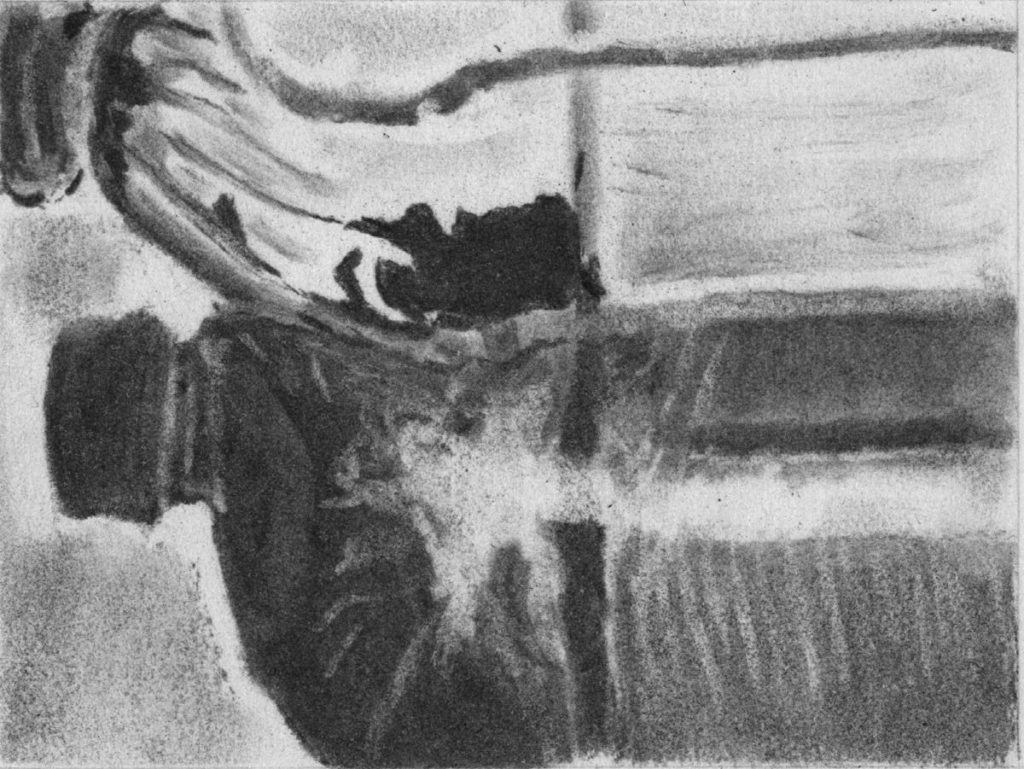
I shit you not: On the first day of class I was handed a bottle of water & instructed to go outside, place it in the sun, and use a piece of charcoal to draw the bottle and all the nuanced light refracting through it. As I walked outside, Dasani in hand, naturally I began to wonder what in the actual fuck was happening. I was 23, and this was my second go-round in college. Architecture needed to work out – which is precisely why the first assignment was so terrifying. I wondered if somehow I’d gotten the wrong idea of what being an architect was all about. I wanted to design houses – not draw refracted light with charcoal. Here is an image of that fateful bottle:
Fast forward to graduation 7 years later (unfortunately not a typo): After all the charcoal dust settled (see what I did there?), architecture school, despite uncertain beginnings, turned out to be an outstanding education, and one of the most rewarding experiences of my life. It exceeded my expectations in many different ways, and catalyzed unparalleled personal growth. I can recall a particular teacher (shout out to professor Rizzuto) saying over and over again that an education in architecture is the best education on the planet. Now that I have a little perspective after scratching and clawing my way through, I absolutely agree. If you’re thinking about becoming an architect, I’ll try to give you an idea of what the education is like – so that you when you’re handed a piece of charcoal in your first year, it’s not quite the same existential crisis as it was for me. Here’s the basic breakdown of an architecture degree curriculum:
CORE CLASSES
Let’s get the boring stuff out of the way first. There’s no getting around it: you’ll have to take whichever core curriculum classes are required at the state level. This means that, in addition to a grueling architecture class schedule, you’ll also inevitably have to slog through a standard lineup of cores. Things like American literature, biology, public speaking, blah blah. Though typically you have some latitude in selecting which classes to take (i.e. biology vs. chemistry, philosophy vs. religion studies, underwater basket weaving vs. left-handed puppetry arts, etc.), I think it’s fairly common that you’ll be required to take both physics and calculus as part of the architecture curriculum. My school required those two.
STUDIO
This is the big one. It’s where all the magic (and crying, insomnia, self-doubt, self-loathing and bleeding) happens. Studio is the hallmark of an architecture education. It will be dramatically different than any of your other classes. Typically, studio is a 4 hour session on Mondays, Wednesdays, and Fridays. In studio, there usually aren’t lectures; you don’t take traditional tests; you don’t sit there and take notes the whole time. Instead, you’re assigned long term projects where you learn by doing, making, and drawing.
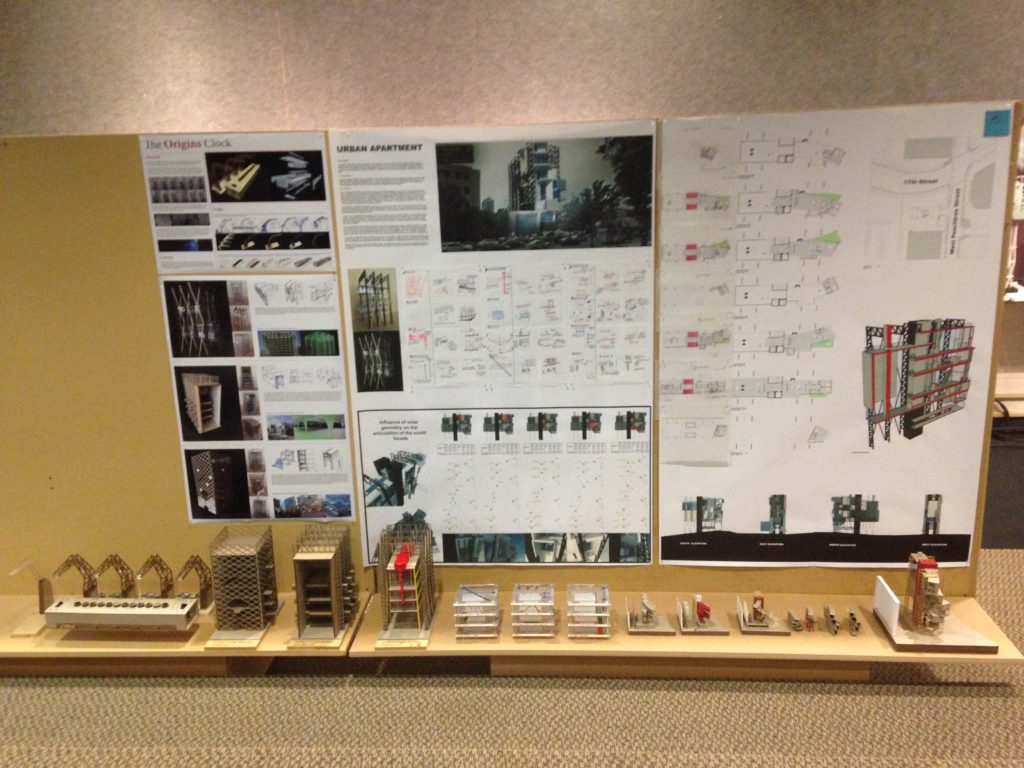
The structure of a standard studio project looks something this: You get the assignment, and you have a deadline. Ultimately, at the deadline, you’ll publicly pin up your work and give a formal presentation of your design to your class, your professor, and a jury of guest critics (who are often practicing architects). Along with a verbal presentation, you’ll display physical models, formal 2D drawings, renderings, sketches, diagrams, and other supporting materials to convey your final design. This is an example of what a typical final pin-up might look like:
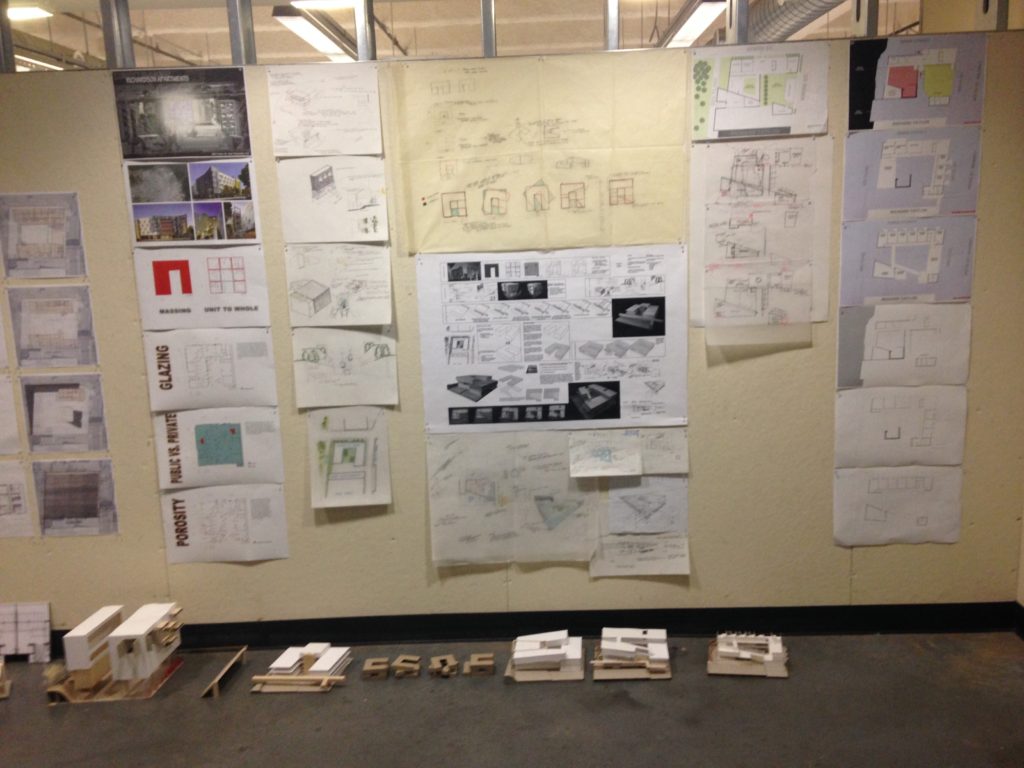
In the weeks (sometimes months) leading up to the big final presentation, you work at your own pace to get everything done. You’ll periodically have desk crits – or “desk critiques” – where your professor will sit down with you and review the progress of your project one on one. You might also occasionally have informal progress pin ups to make sure you’re on track and to get valuable feedback from your professor and peers. The following image is an example of a progress pin-up. You’ll notice it’s a lot more scrappy, unrefined, and sketch-heavy:
This, in a nutshell, is the essence of studio.
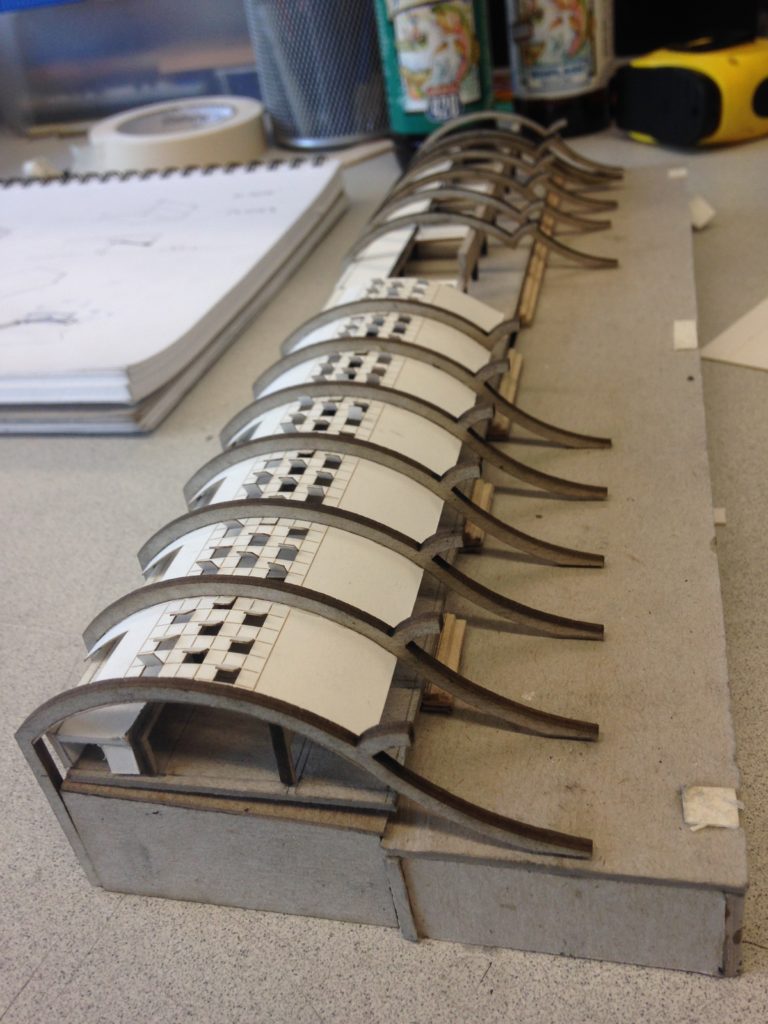
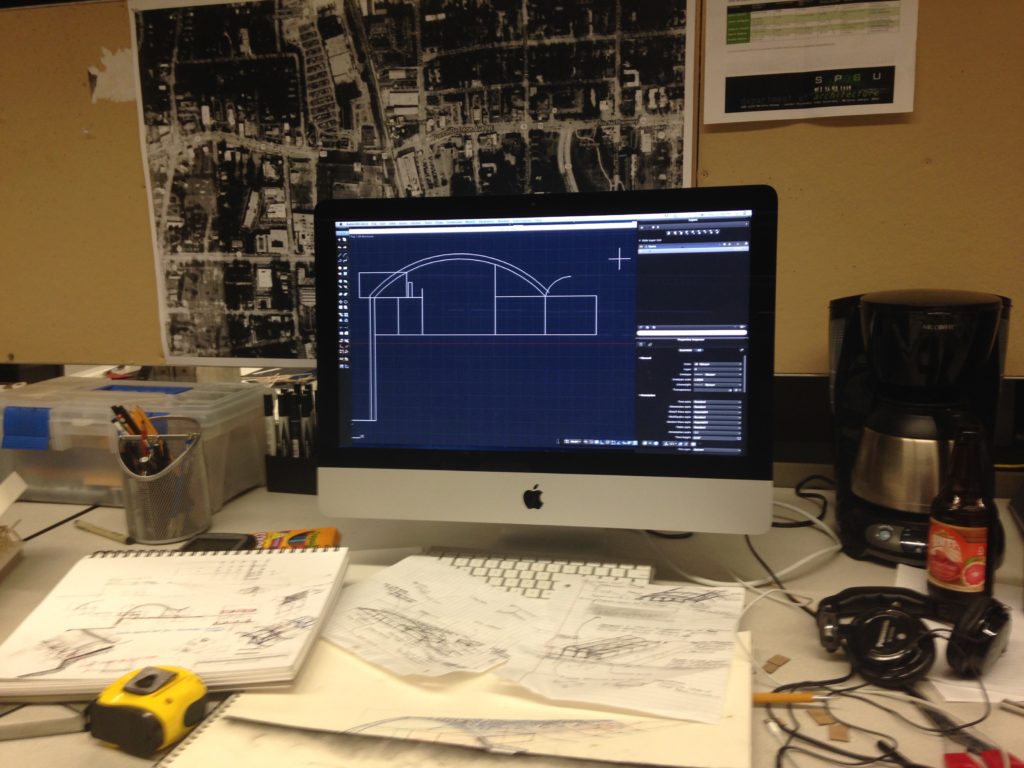
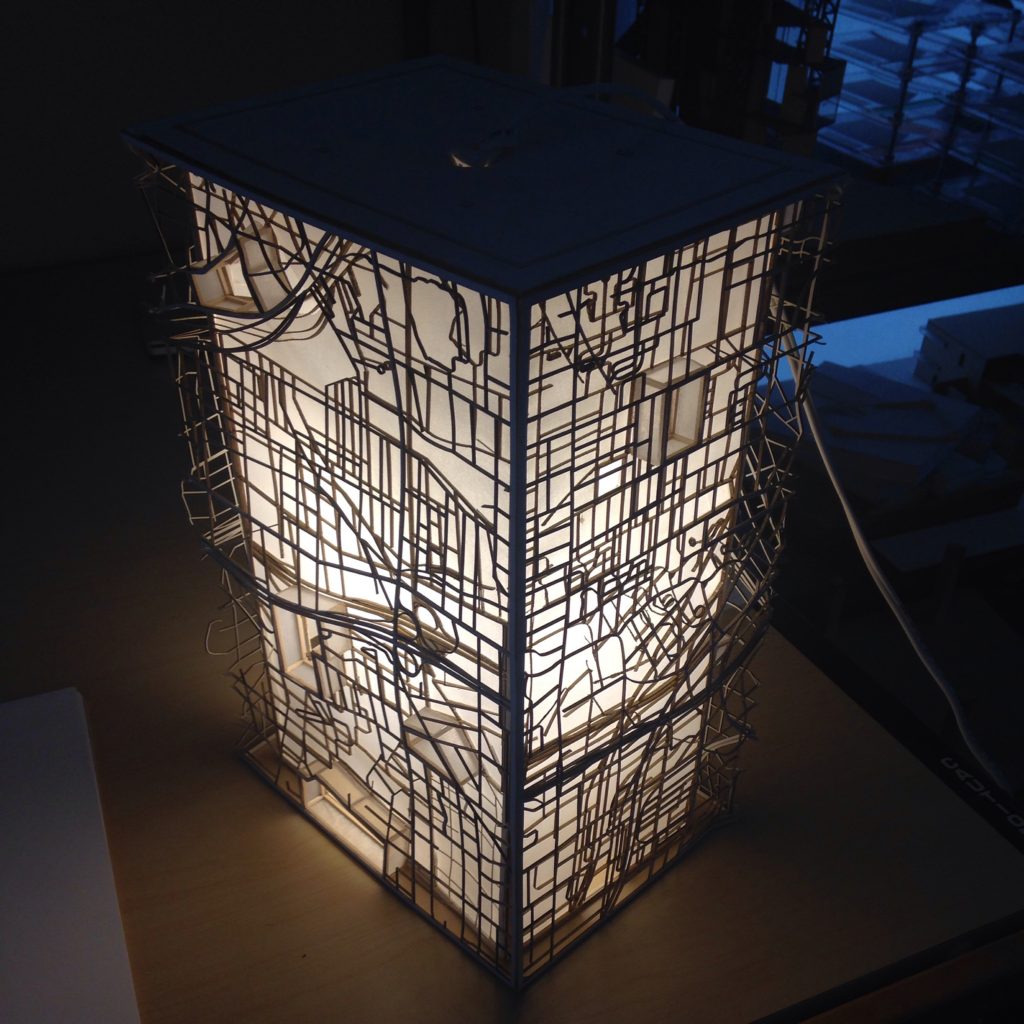
The nature of your studio assignments will evolve as you ascend the ladder. First year will probably feel more like art class than architecture school (remember the water bottle?). By your final year, you’ll feel that you’re much closer to doing architecture proper. The assignments in the intermediate years will fall somewhere in between. Despite the nature of the projects, the general workflow will be the same: do the thing, make mistakes, get feedback, analyze & improve, draw your little heart out, re-iterate & repeat, give your final presentation. The following is a random collection of some old pictures of my studio desk to give you an idea of the varied nature of the projects:
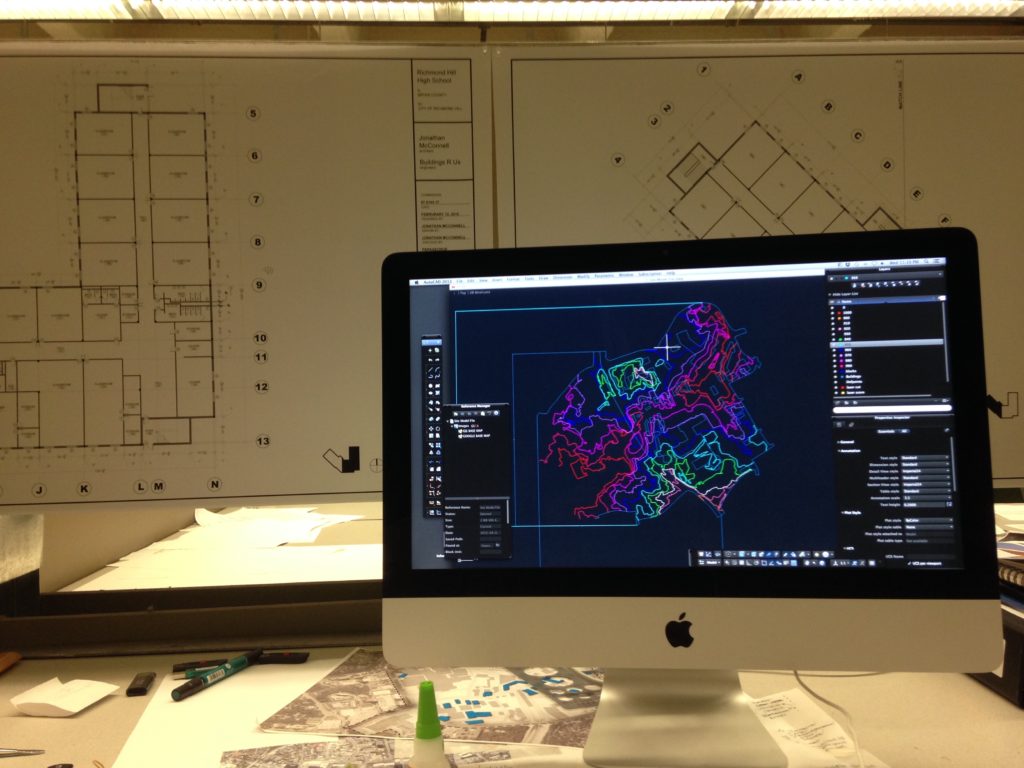
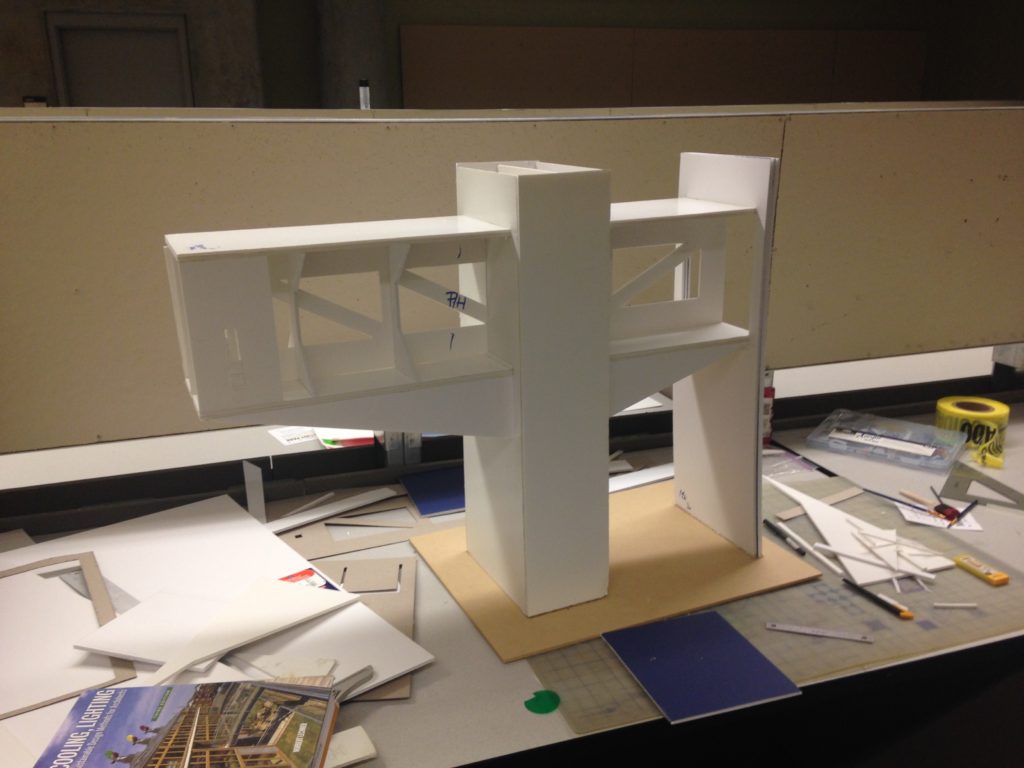
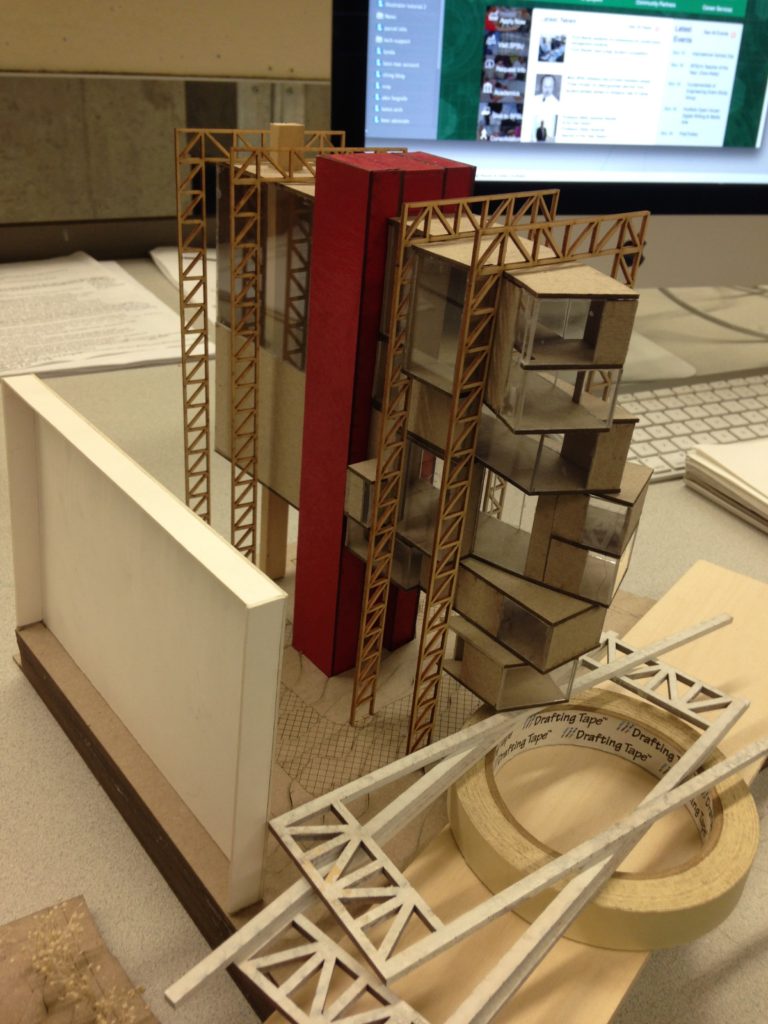
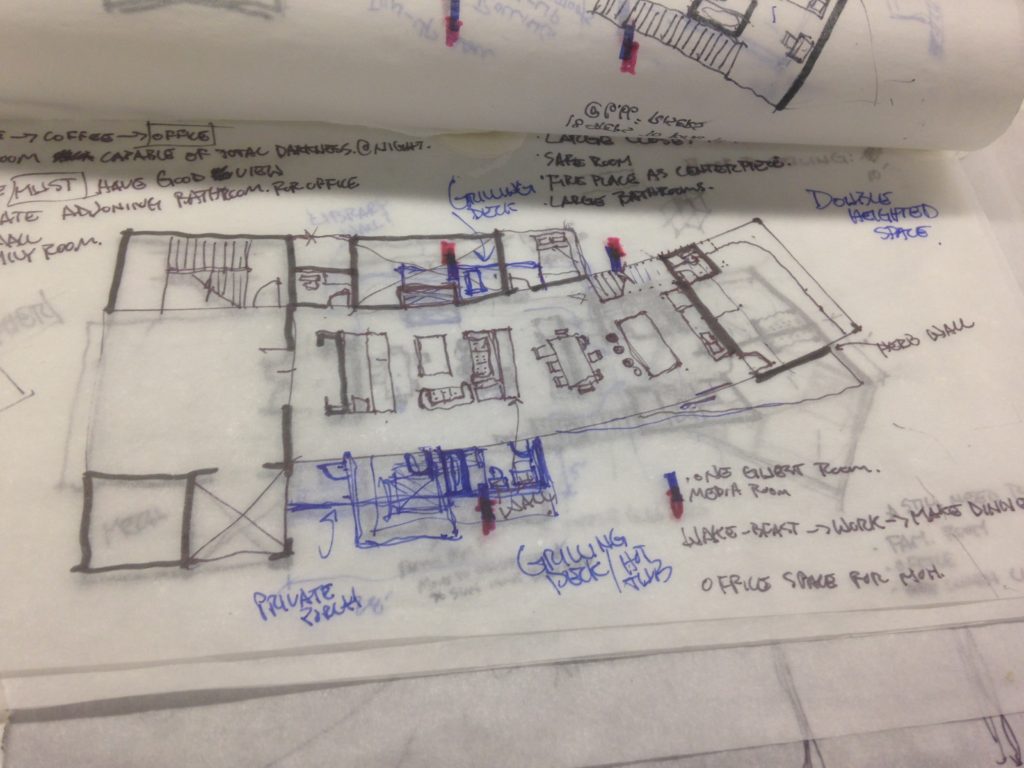
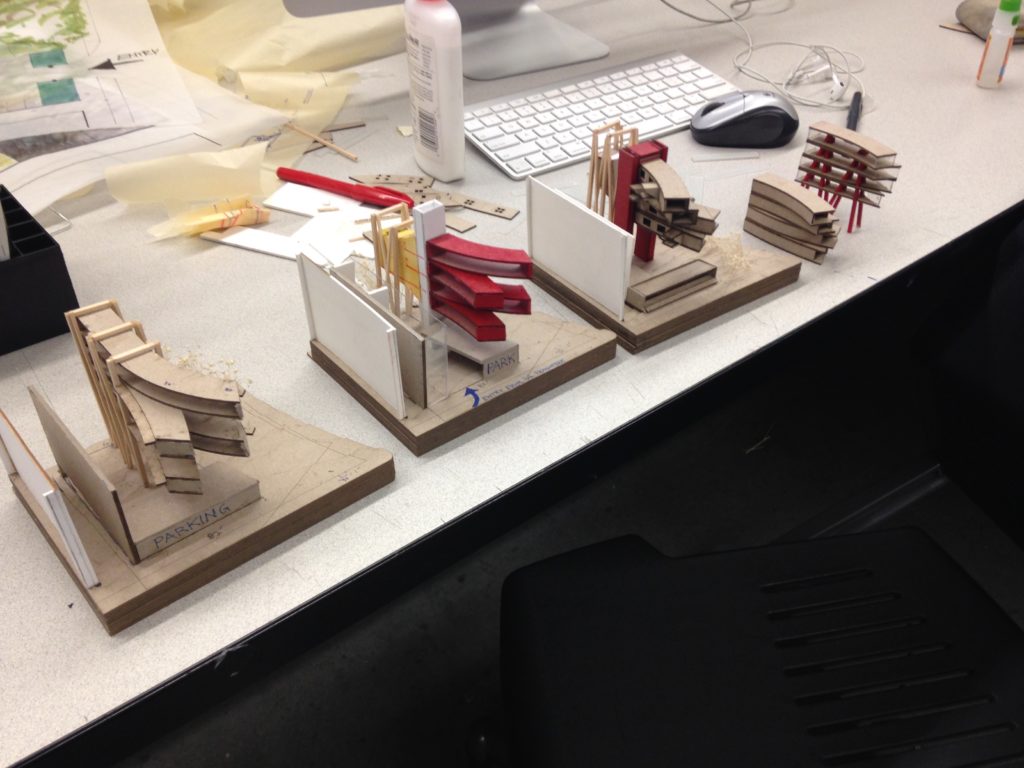
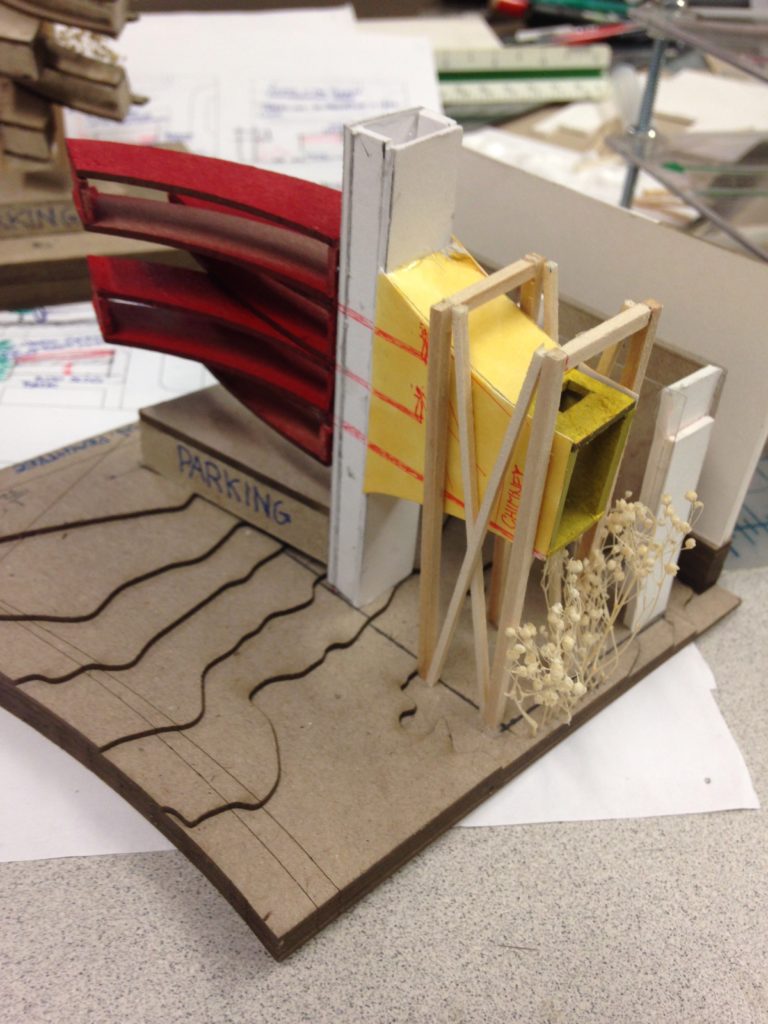
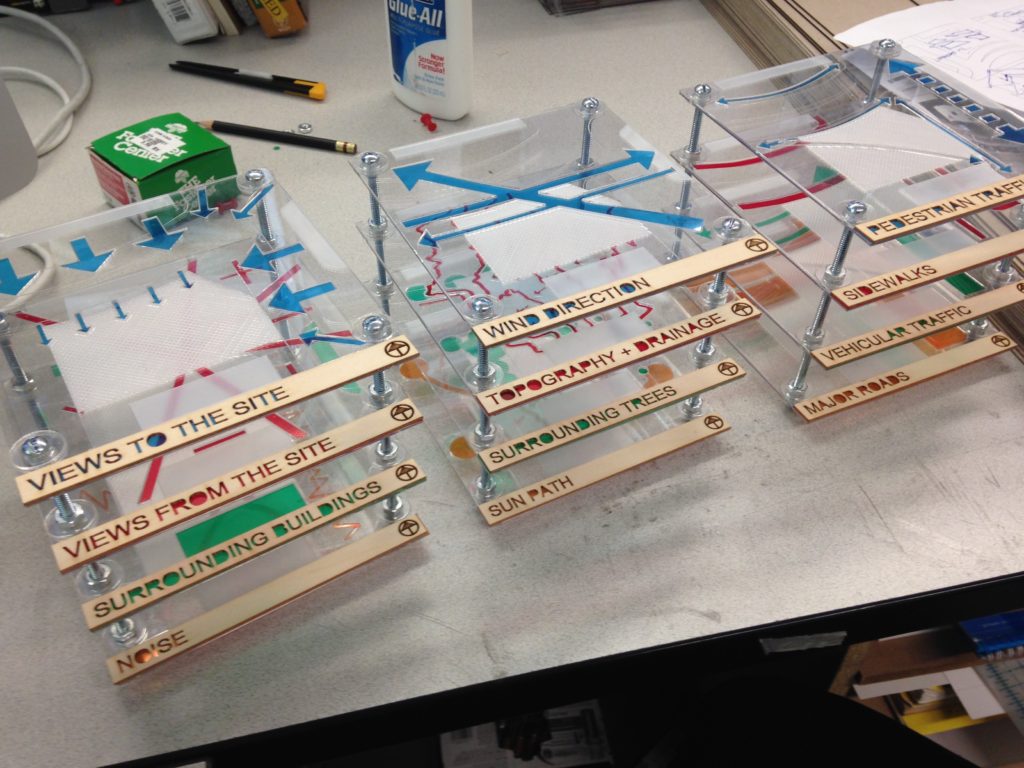
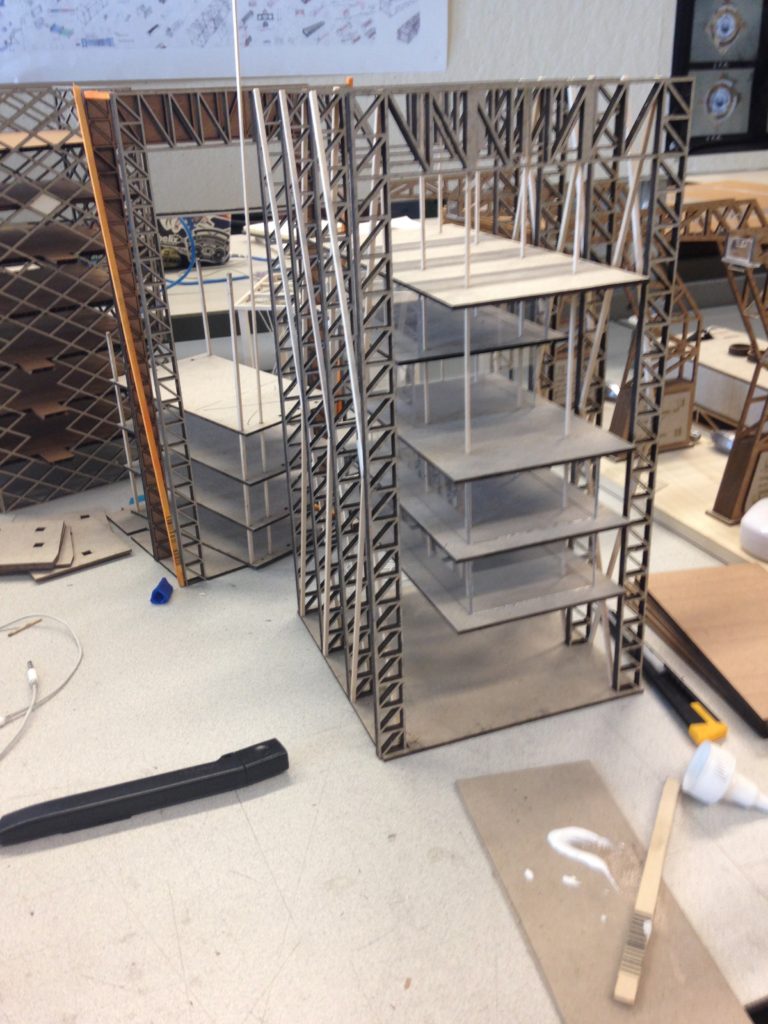
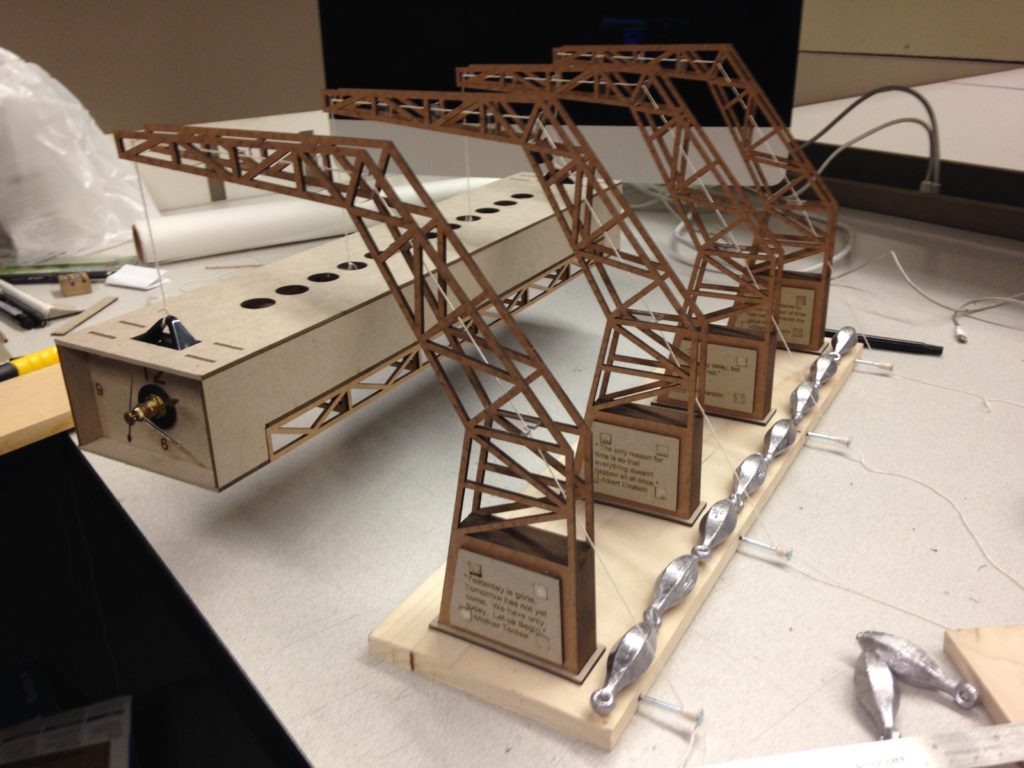
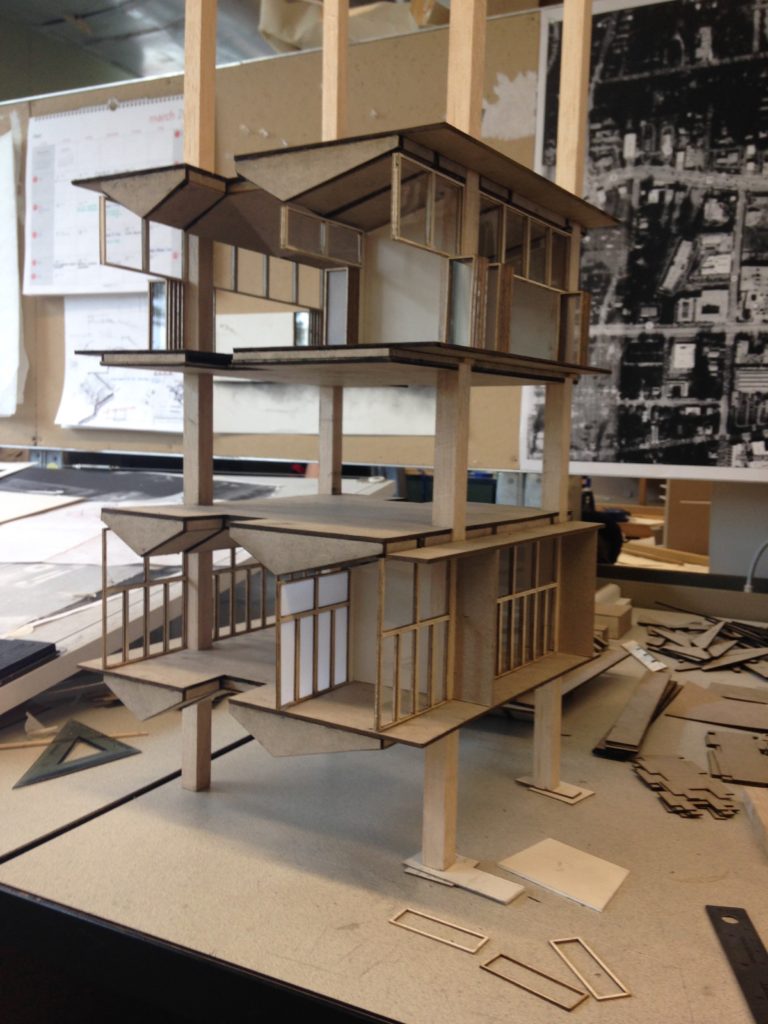
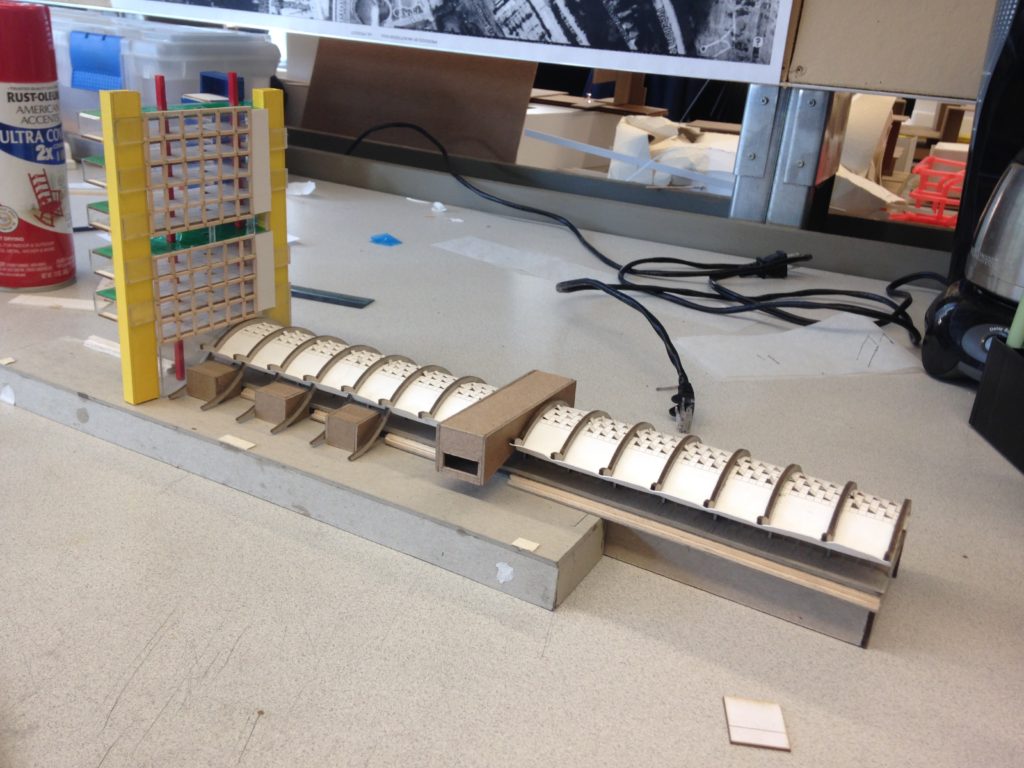
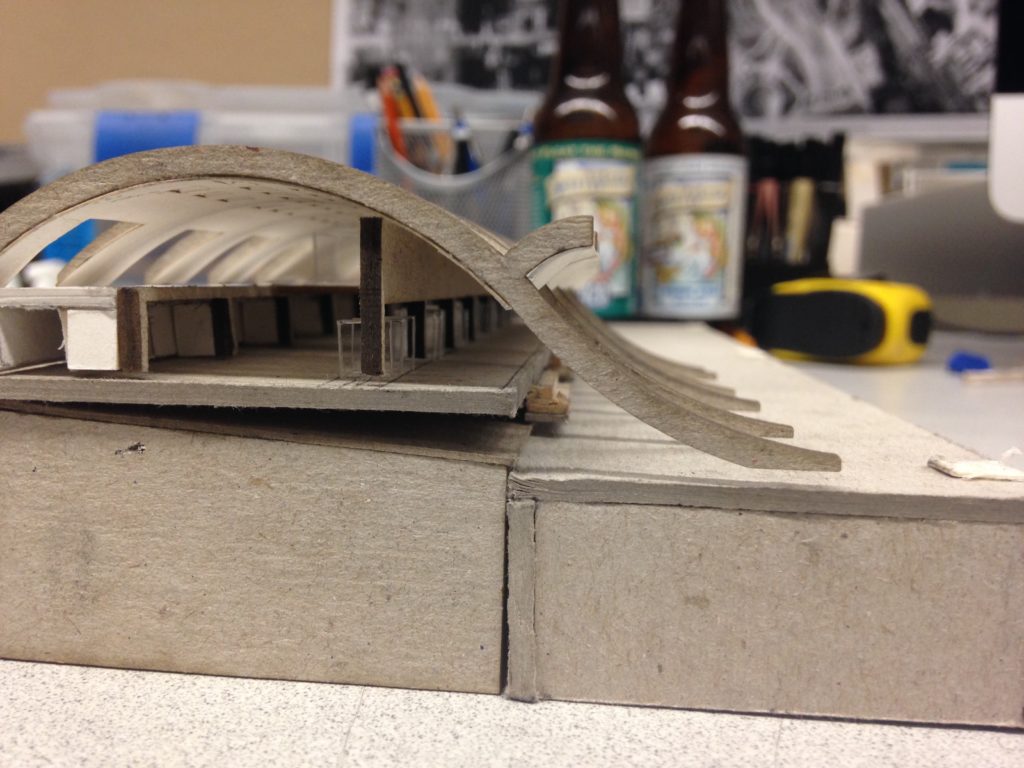
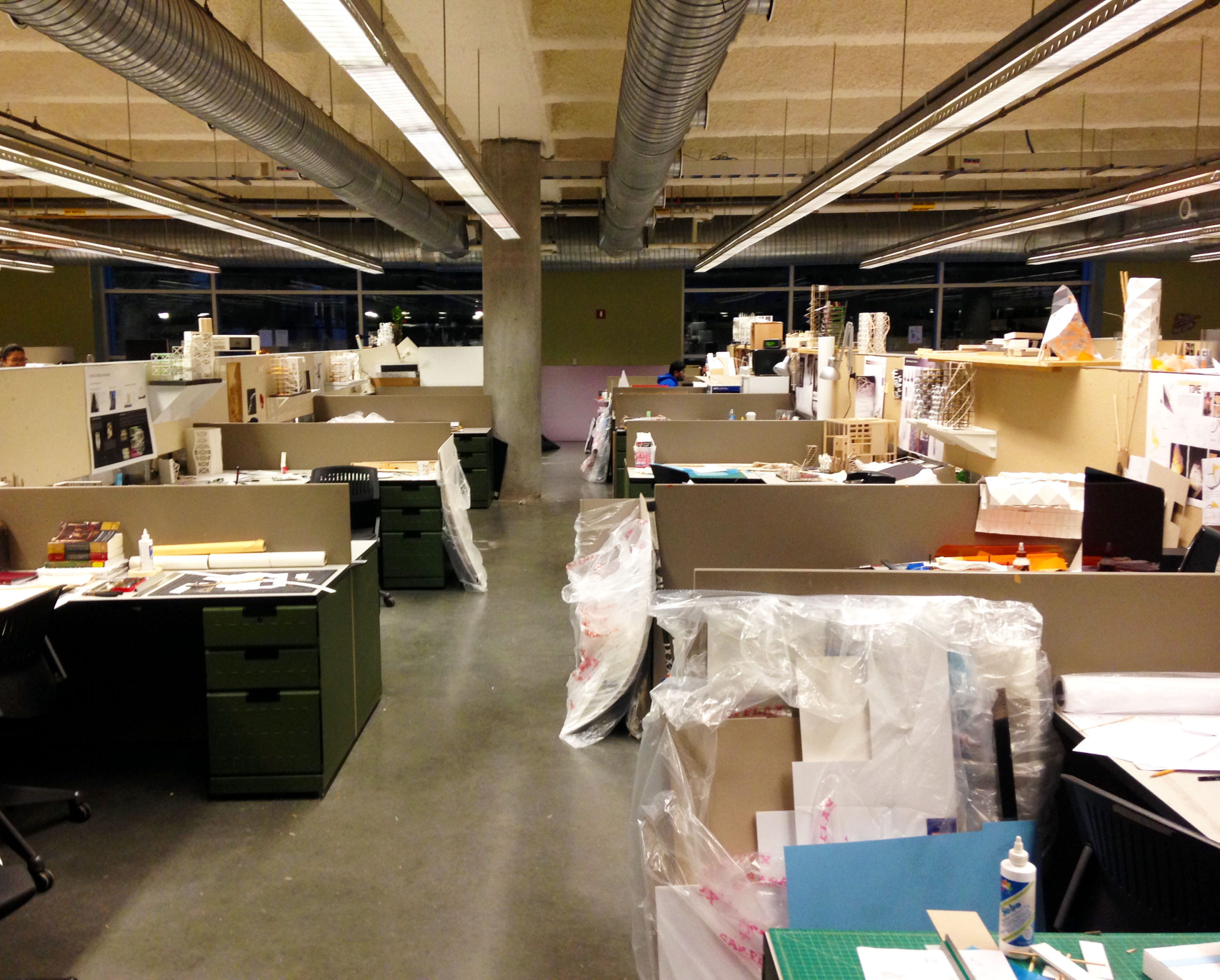
The studio environment is unlike any other you’re likely to encounter. Your desk will become your home away from home. You’ll spend countless hours there working tirelessly on your projects. For this reason, many students opt to significantly cozy-up their space. In my program it was not uncommon for studio spaces to feel more like living rooms than sterile work stations. Over the years I saw things like couches, cots, rugs, coffee makers, desktops, mini-fridges, lamps, and other such items moved into studio spaces. All-nighters not uncommon. Occasionally students would spend the night under their desks. Some students would go rogue and sleep on top of their desks. Think that’s hyperbole? Think again. This is my buddy, Hank the Tank:
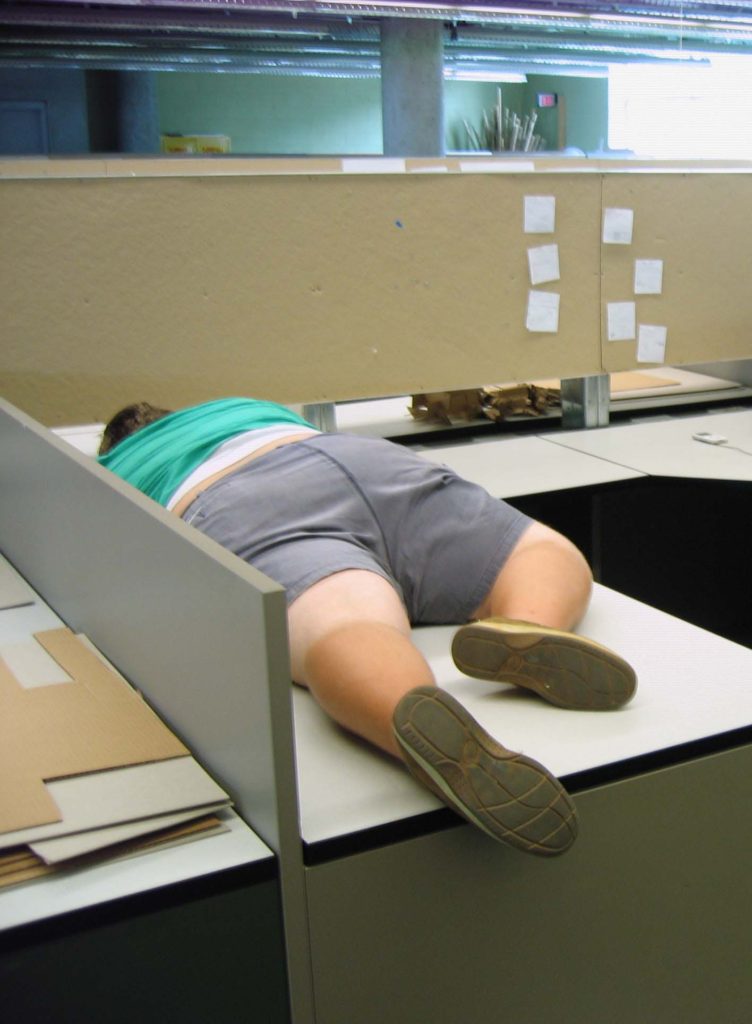
This photo was taken 11 years ago, and he’s still my good friend to this day. That’s another thing about studio: You’ll go through a lot with your studio classmates, and you’ll forge friendships that will last a lifetime.
ARCHITECTURE CLASSES
Though studio is the mac-daddy of an architecture school curriculum, you’ll also have a series of other architecture classes that cover everything from technical drawing, architectural history, building materials, structures, codes, professional practice, and more. The nomenclature of these classes and the way they’re organized will vary from school to school; but no matter where you go, you’ll get some version of an education in these areas.
GENERAL
Architecture is an extremely time-consuming major. Indiana University’s 2016 “National Study of Student Engagement” concluded that architecture is the single most time-consuming major on the planet. Architecture students spend, on average, 22 hours a week on schoolwork outside of their classes. Here’s a link to an article featured on archdaily that talks about the study:
Having lived it, this sounds spot-on and comes as no surprise. Architecture school can feel all-consuming. But why?
Studio projects are the primary culprit. They require a unique combination of abstract and concrete thinking. With many majors, your work is straightforward. Memorize the formulas, read the books, study for the test, and you’re done. With architecture, because of the creative element involved, you feel like you’re never done – like you can always improve your design – and you can! Plus – you physically make things, which can take an incredible amount of time and patience. If you’re conscientious and if you give a shit, you’ll spend countless late nights in studio trying to improve whatever project you’re working on. If your experience was anything like mine, getting through school will feel like an absolute grind.
*THE BRIGHT SIDE*
Yes – architecture school is a grind, it’s difficult, and it might not be exactly what you expect; but it is, without a doubt, 100% worth it. As a baseline, you’ll acquire the skills and knowledge necessary to enter the professional world. Perhaps more importantly, though, the difficult process of making it through will test your character and prompt considerable personal growth as well. So if you’re handed a piece of charcoal and a water bottle on your first day, don’t freak out; you’re in the right place, and are on the beginning of a beautiful journey.