

In this post, I’ll address the age-old question: “Do you have to be good at math to be an architect?”
In a word: No. In three words: No you don’t.
The myth that you must be “good” at math to be an architect has been floating around for as long as I can remember. But here’s the deal: you do use math in architecture – but the math you use and need to know is extraordinarily basic. You probably acquired by 6th grade all the mathematical skill you need to practice in a professional architecture firm. Like for real. Addition, subtraction, multiplication, & division. This is what you need to know. If you have these basic skills down, you are (from a mathematical competency perspective) perfectly qualified to practice.
As I write this, I’ve been working in professional architecture firms for about four years; and only on one occasion have I ever had to use more advanced math. Even then – I didn’t really have to. I was building a physical model and wanted to be extraordinarily precise with a piece of roof I was cutting out. So I dusted off an old trigonometry text book, and put the good ole law of sines to use to cut the piece to the perfect length. You can totally tell, right?!
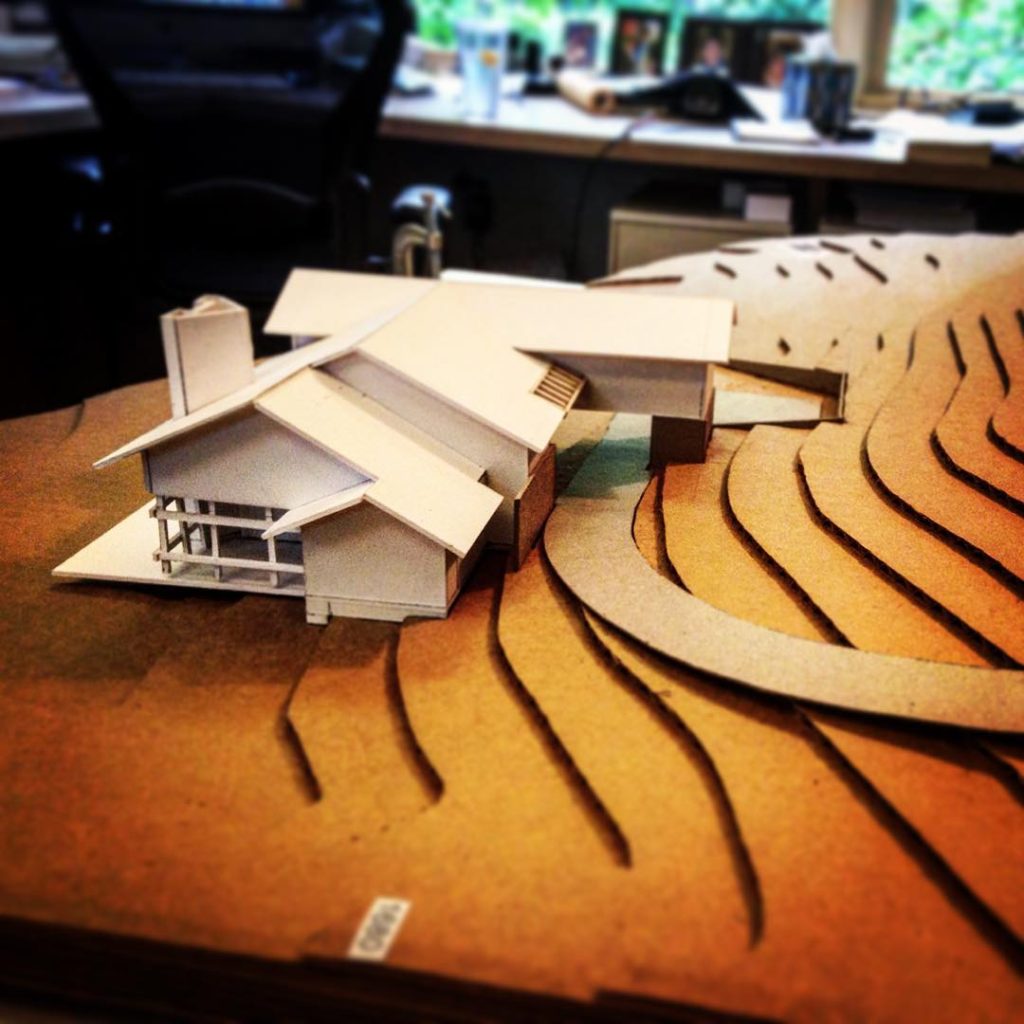
Truth be told, this was completely unnecessary, and the model would have looked just fine even if I winged it. Other than this lone example of an unnecessary use of trigonometry, I’ve only ever needed the absolute basics.
Math in an Architecture Curriculum
To my utter befuddlement, most architecture degree programs require you to take calculus and physics. My program did. I took and passed the course; but if I’m being honest, I really don’t know what calculus is or when it should be used – and I certainly have never used it professionally.
In addition to those two classes, you will also almost certainly be required to take a sequence of “structures” courses. At minimum they will impart a basic understanding of fundamental structural principles. The number of these classes and how hard-math intensive (vs. theory-based) they are will depend on your particular program. No matter where you go, though, it’s likely that these courses will involve a good bit of math. To be honest, the calculations can get a bit complex (the cover image for this post is of my old structures textbooks), but as long as you have a strong foundation in the basics, you can learn the more complicated stuff as its taught in class.
It’s ironic, but the math you have to do to get through your education is way more complicated than the math you’ll ever be required to do in practice. As an architect, it’s crucial to understand the general principles of structures, but unless you’re the next Calatrava, you’ll rely on your structural engineer consultants to do all the heavy lifting for the actual calculations and analysis. Just know that if you can pass your structures classes, you’ll coast through the math you’ll have to do in the field.
Practical Applications
So when exactly does an architect have to use math in the real world? You’ll occasionally need to crunch some numbers for things like area calculations, parking requirements, determining fenestration percentages, knowing thicknesses of assemblies, and other equally titillating pursuits. Worry not – even though you probably won’t need to employ fancy math, you’ll have plenty opportunities to show off your first grade counting skills. I think you get the point: the math that you need to know to be an architect is very elementary.
Everywhere I’ve worked, I’ve always kept a notebook at arm’s length throughout the day. Among other things, I use it for quick math tabulations I need to do on the fly. I thumbed through some past notebooks, looking for calculations I’ve actually had to do for my job. They’re comically simple. What I found corroborates everything I’ve said so far, and should quell any math-related fears you might have. Take a look. (And yes, I know my handwriting looks like it was done by a doctor with an amputated thumb. I’m aware).
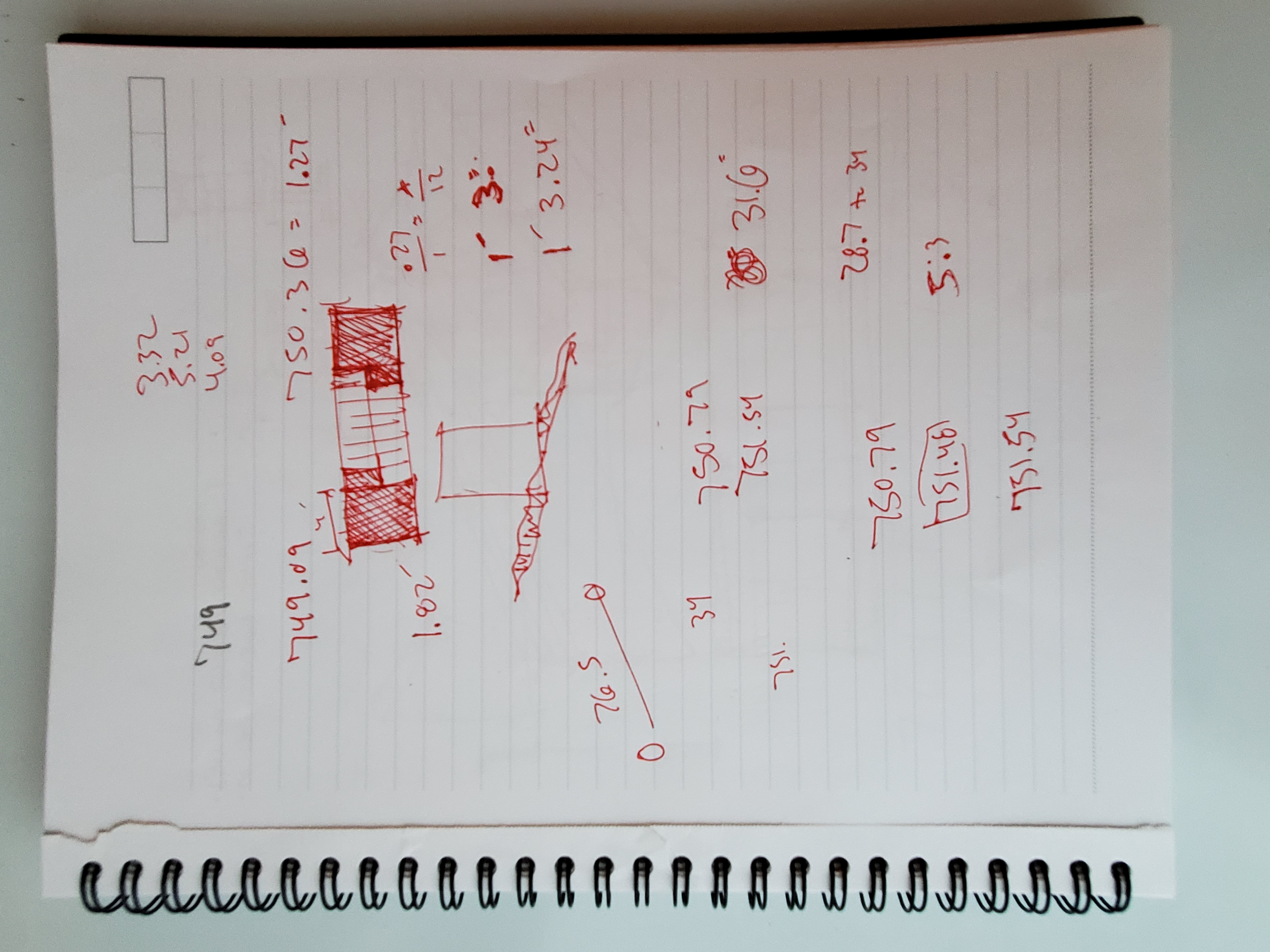
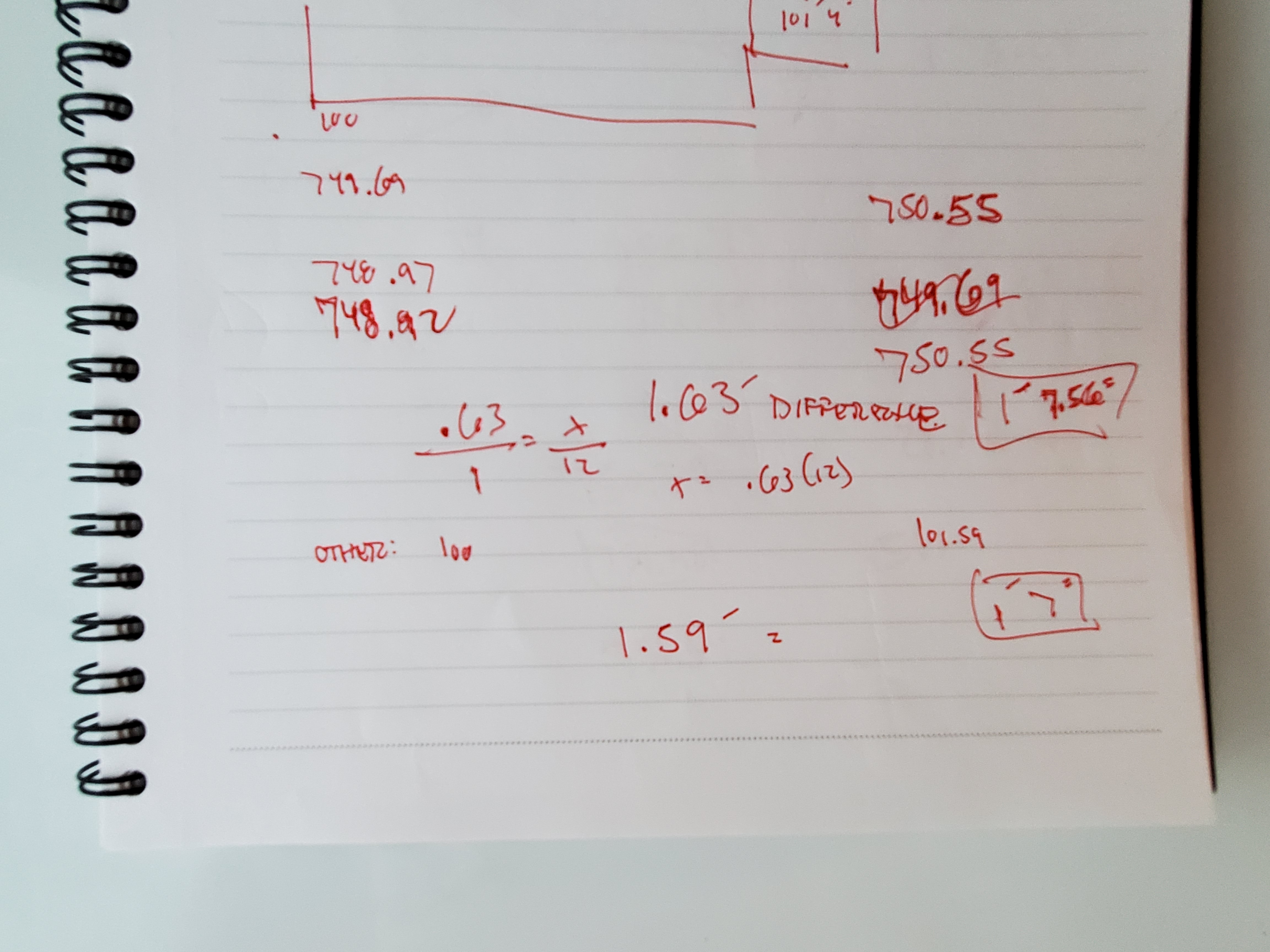
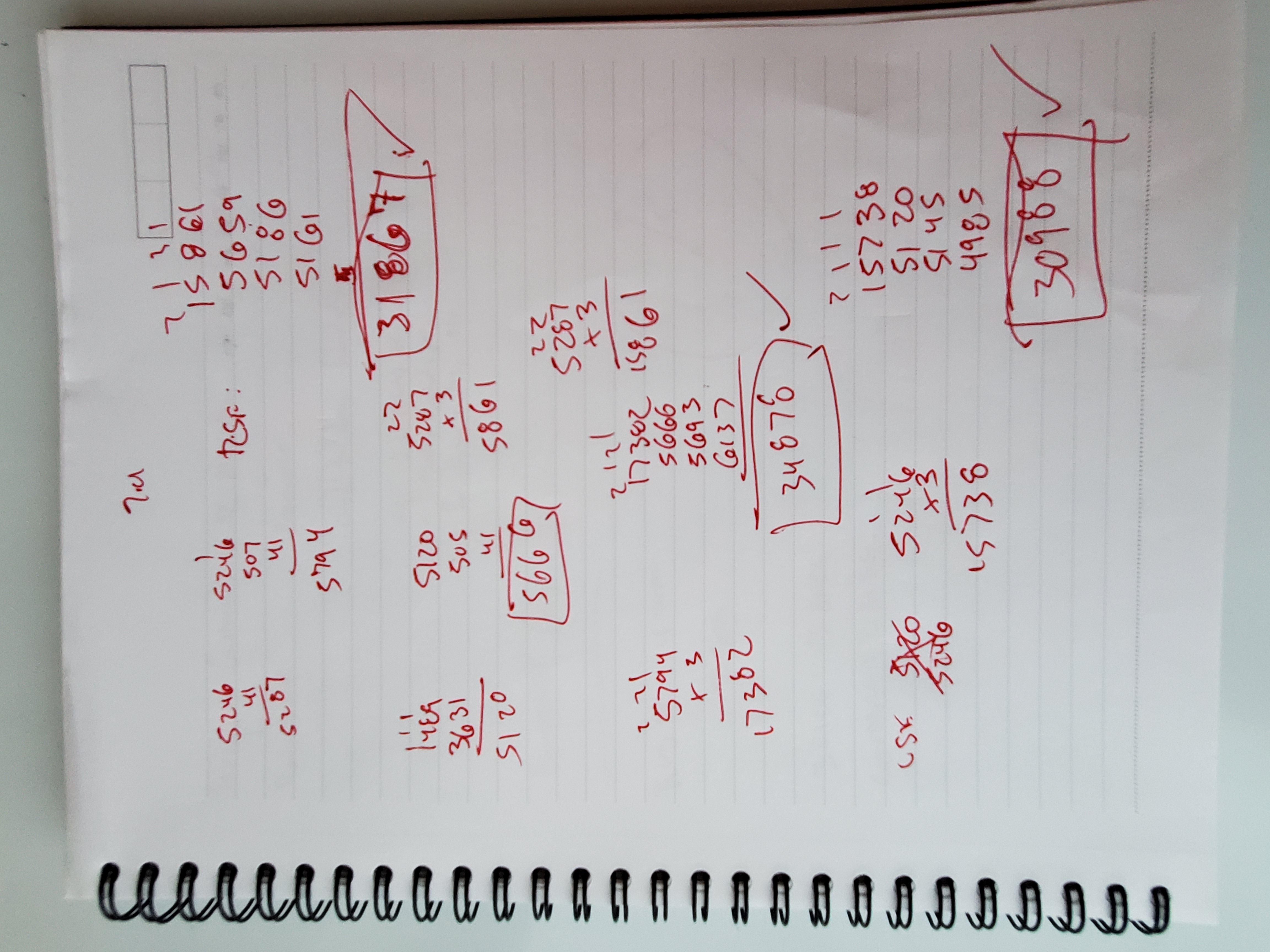


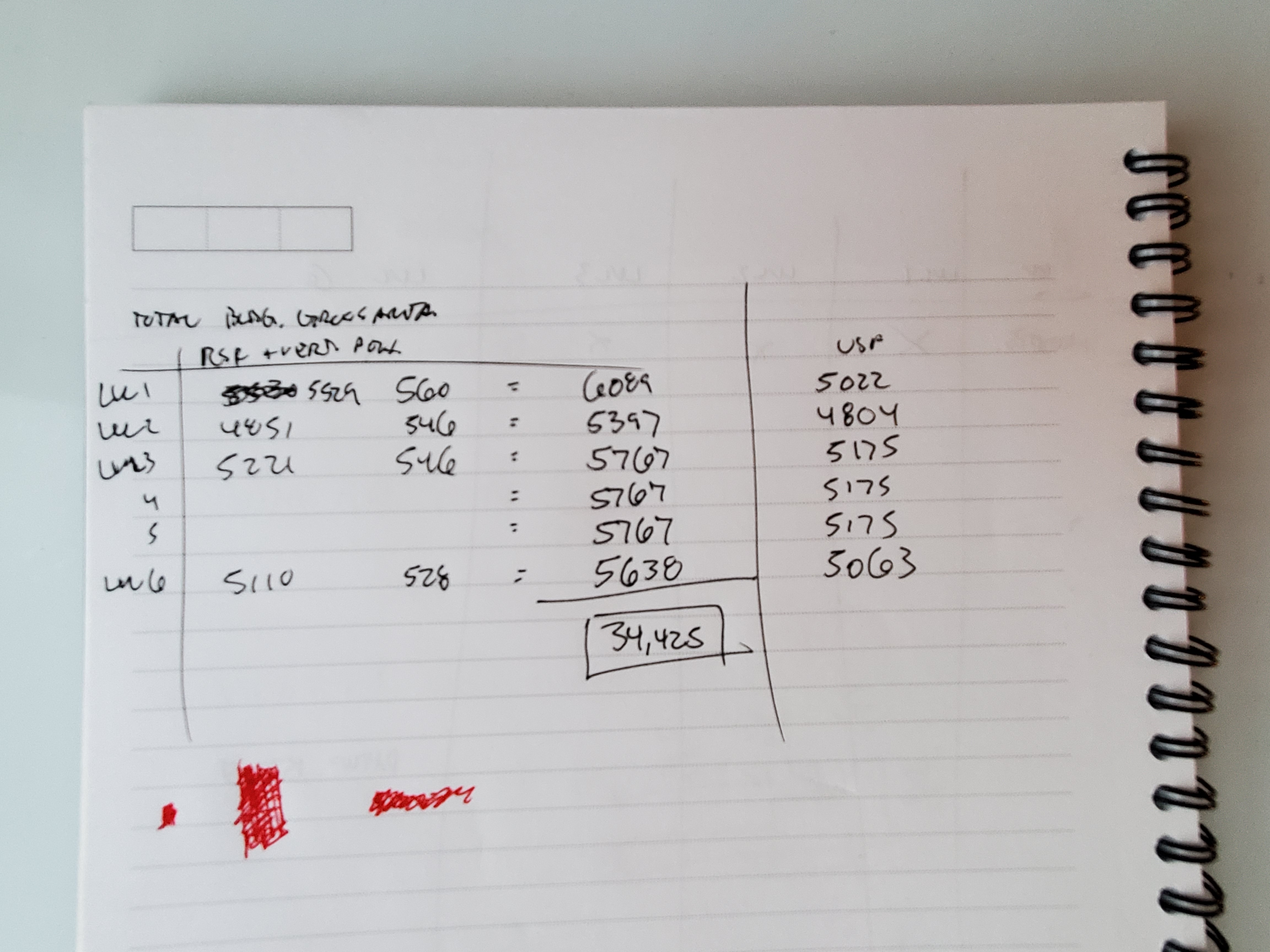
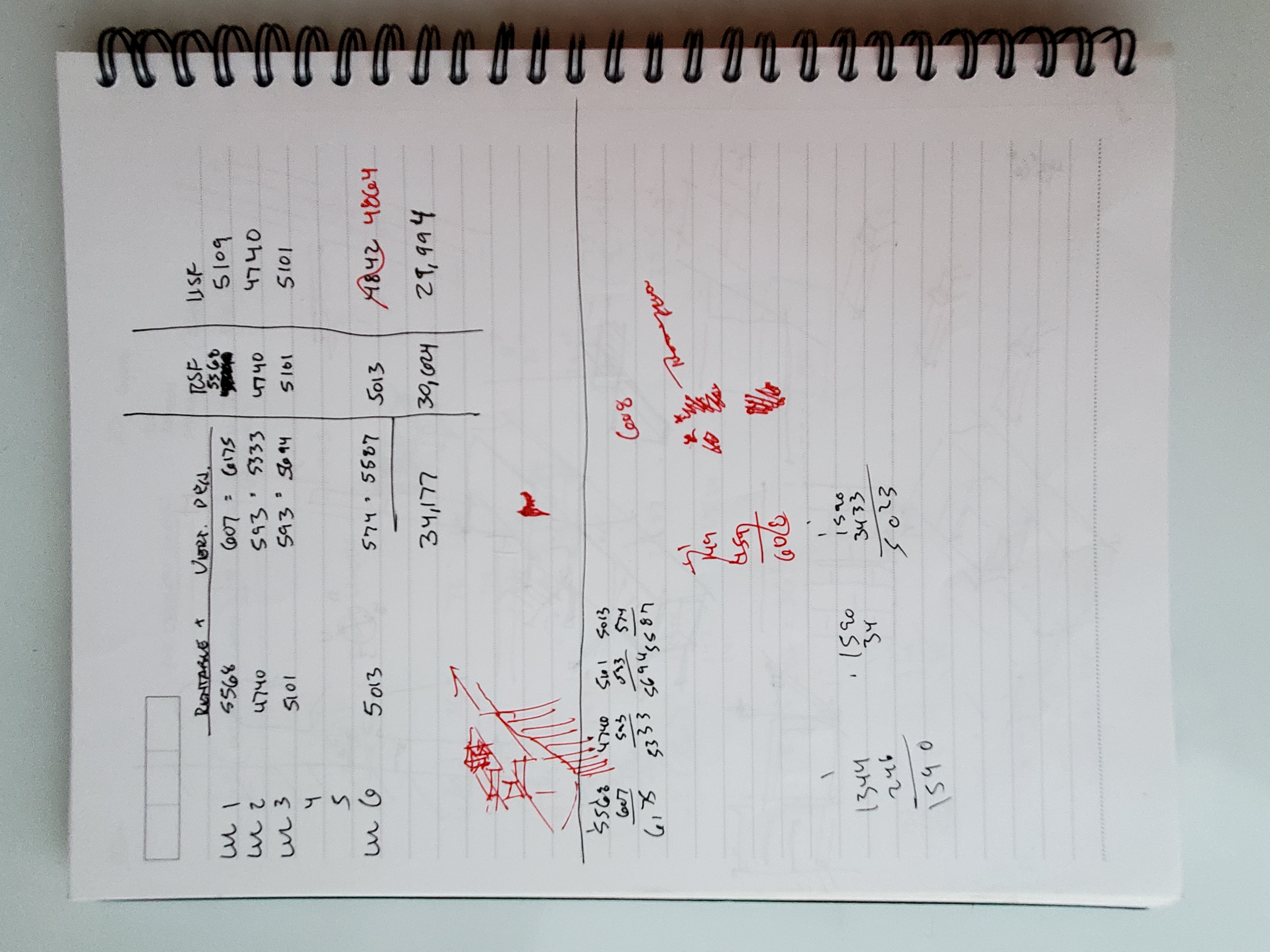
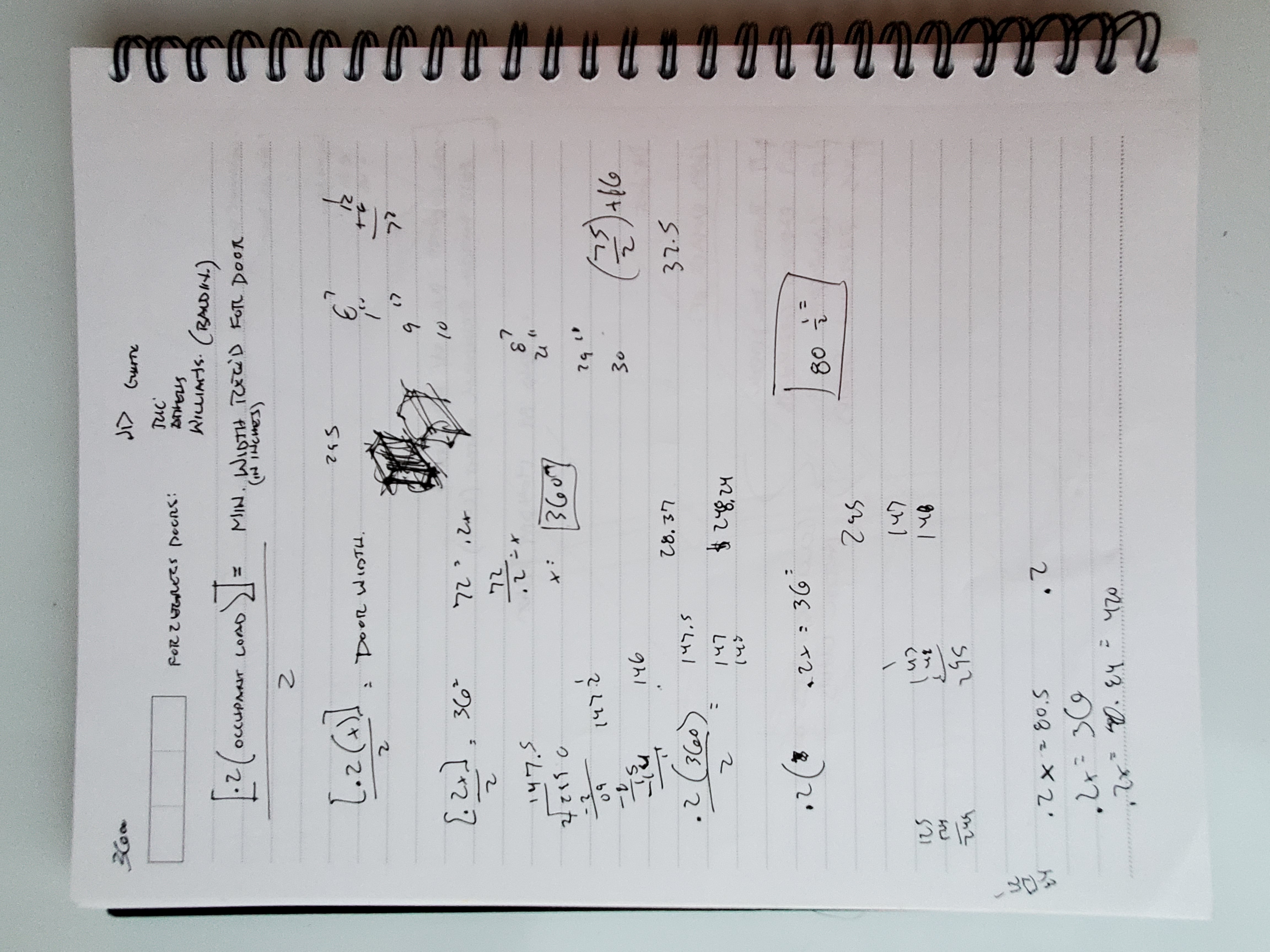
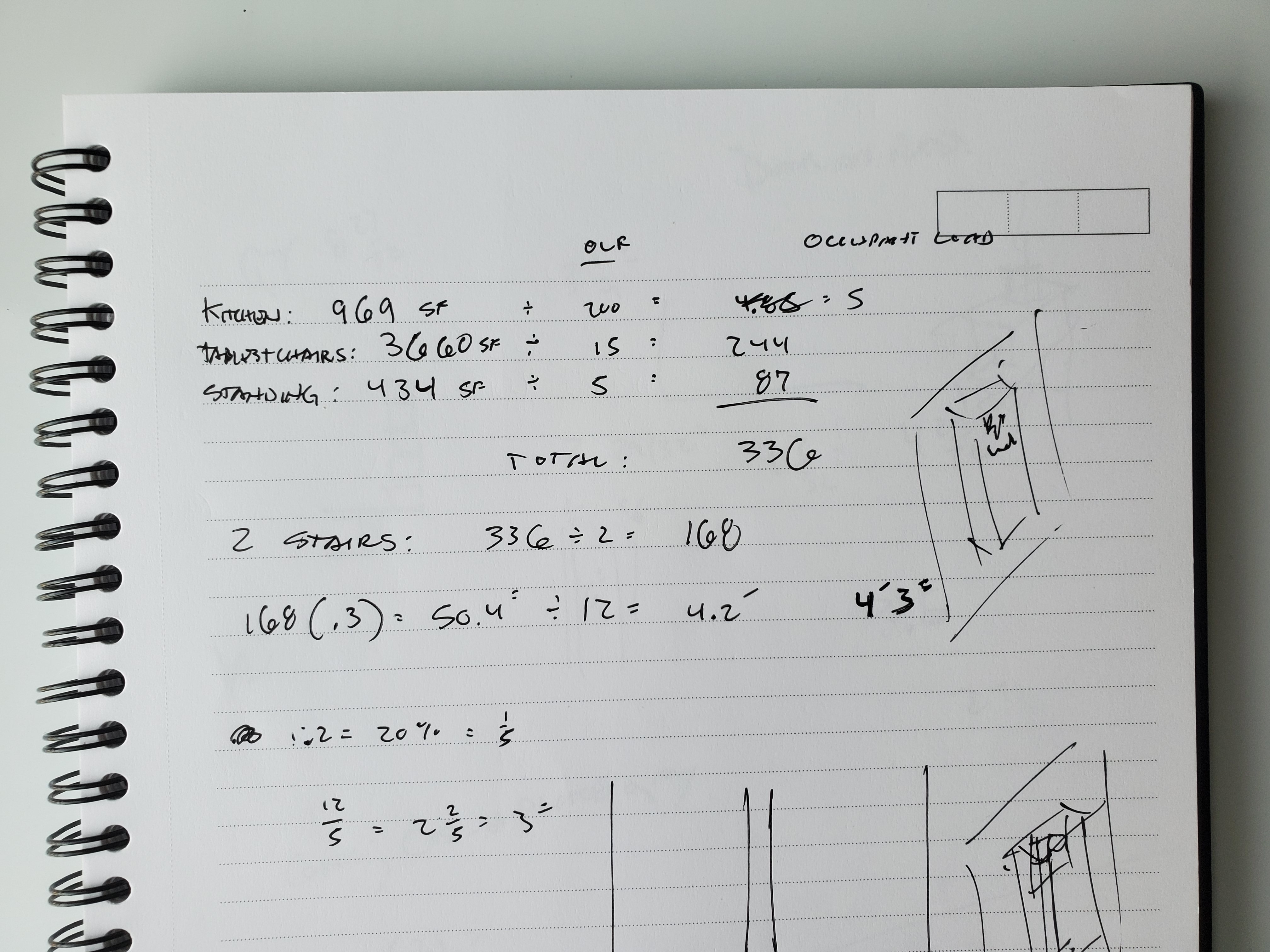
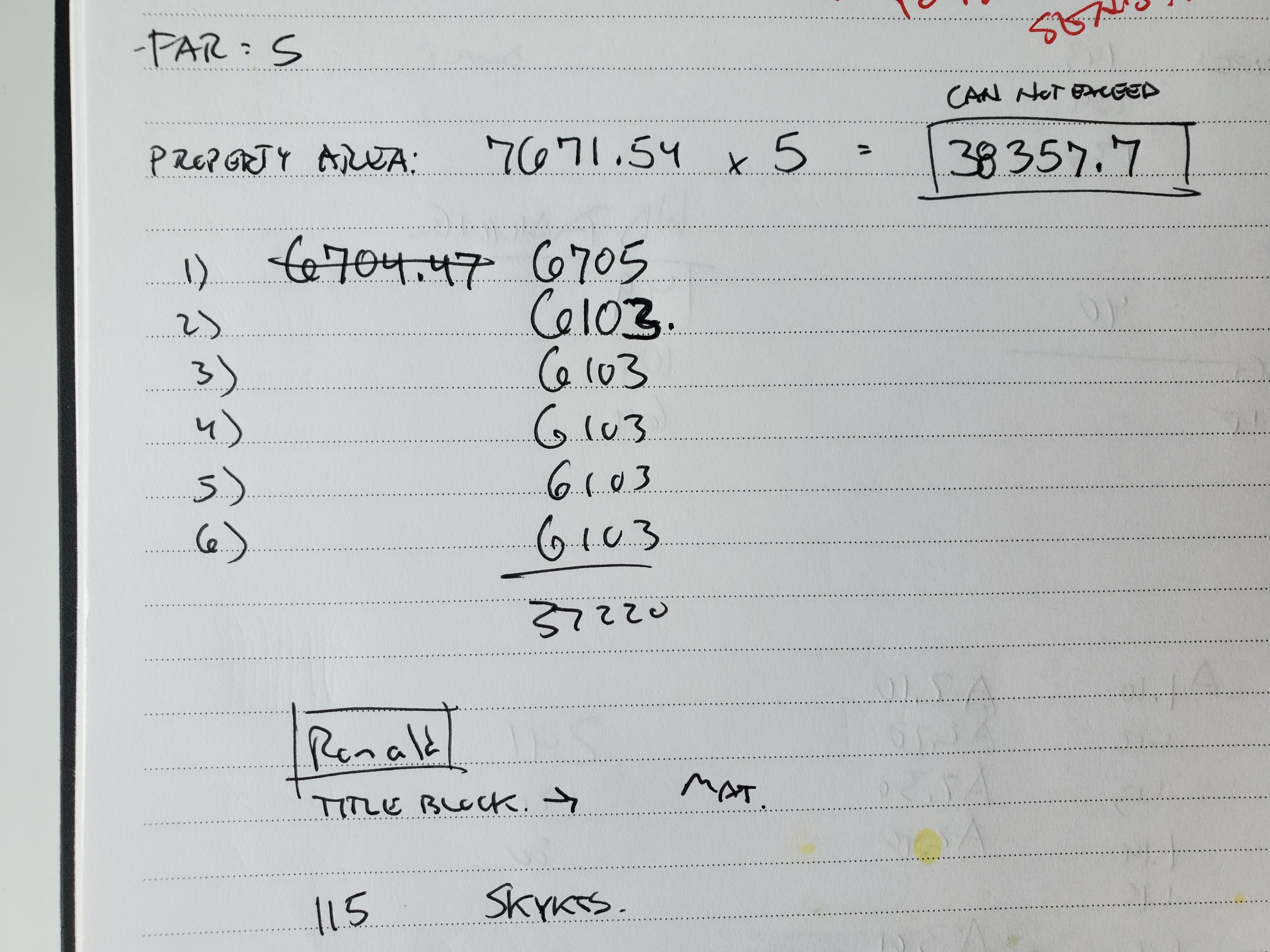
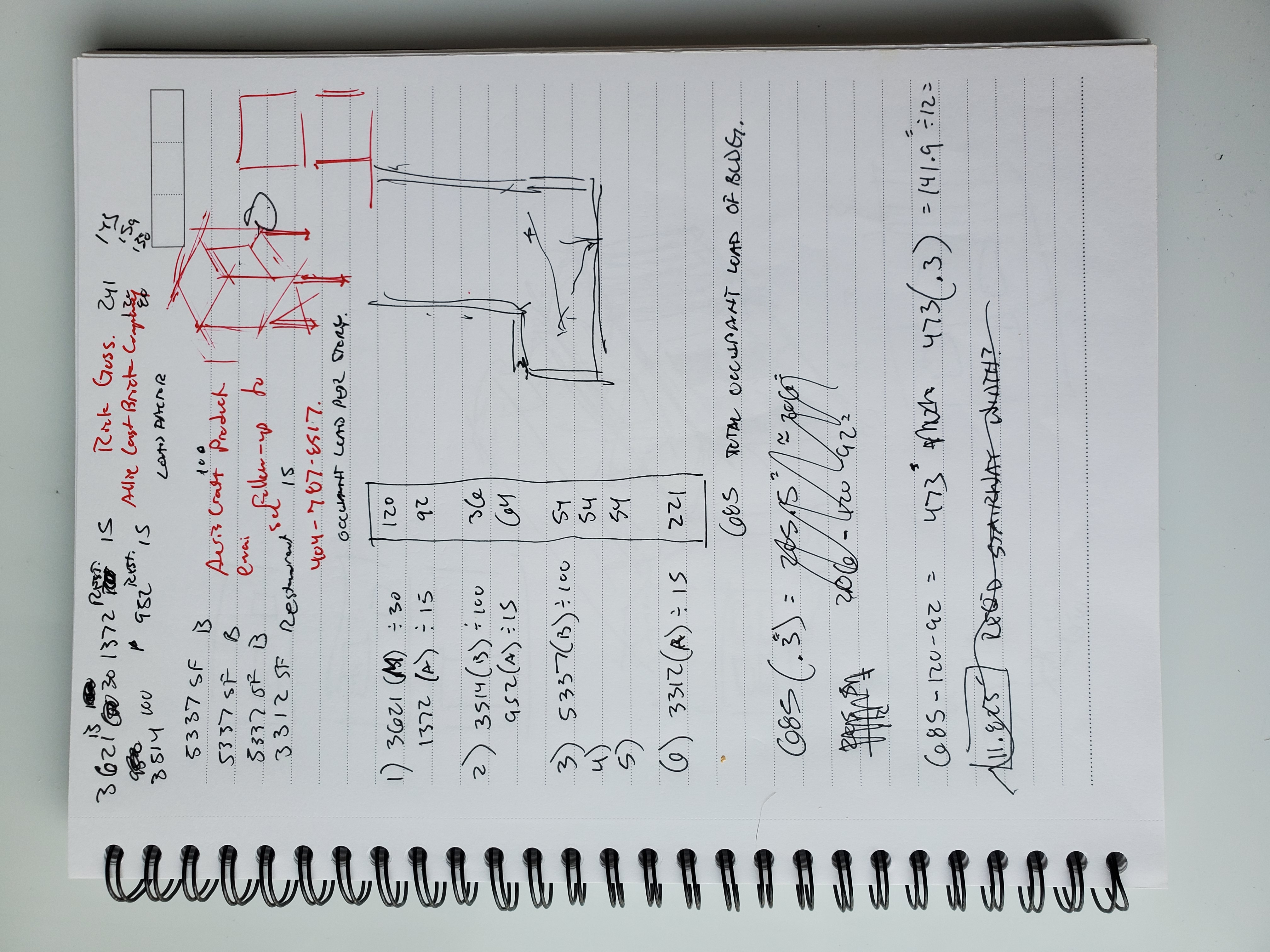
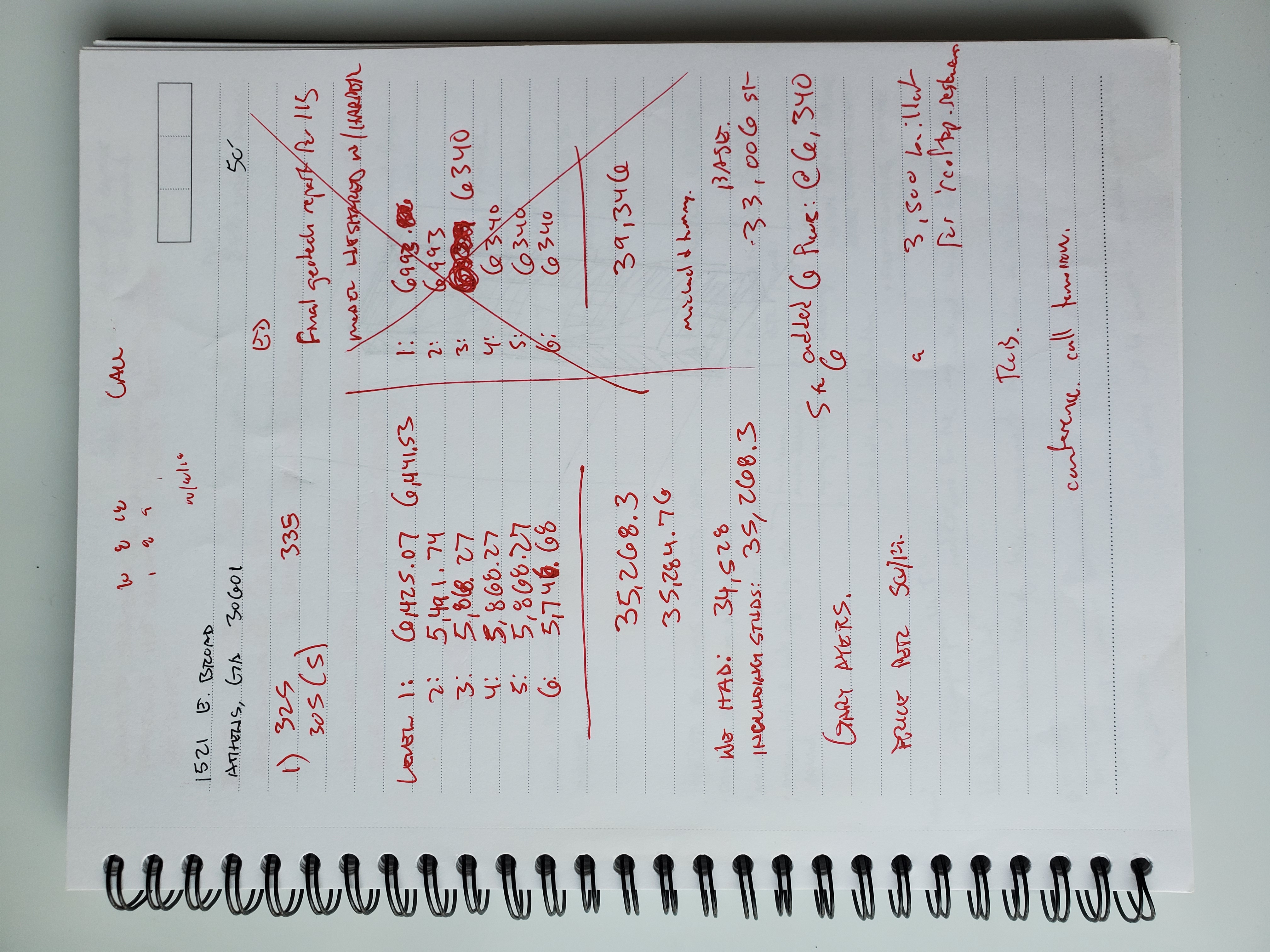
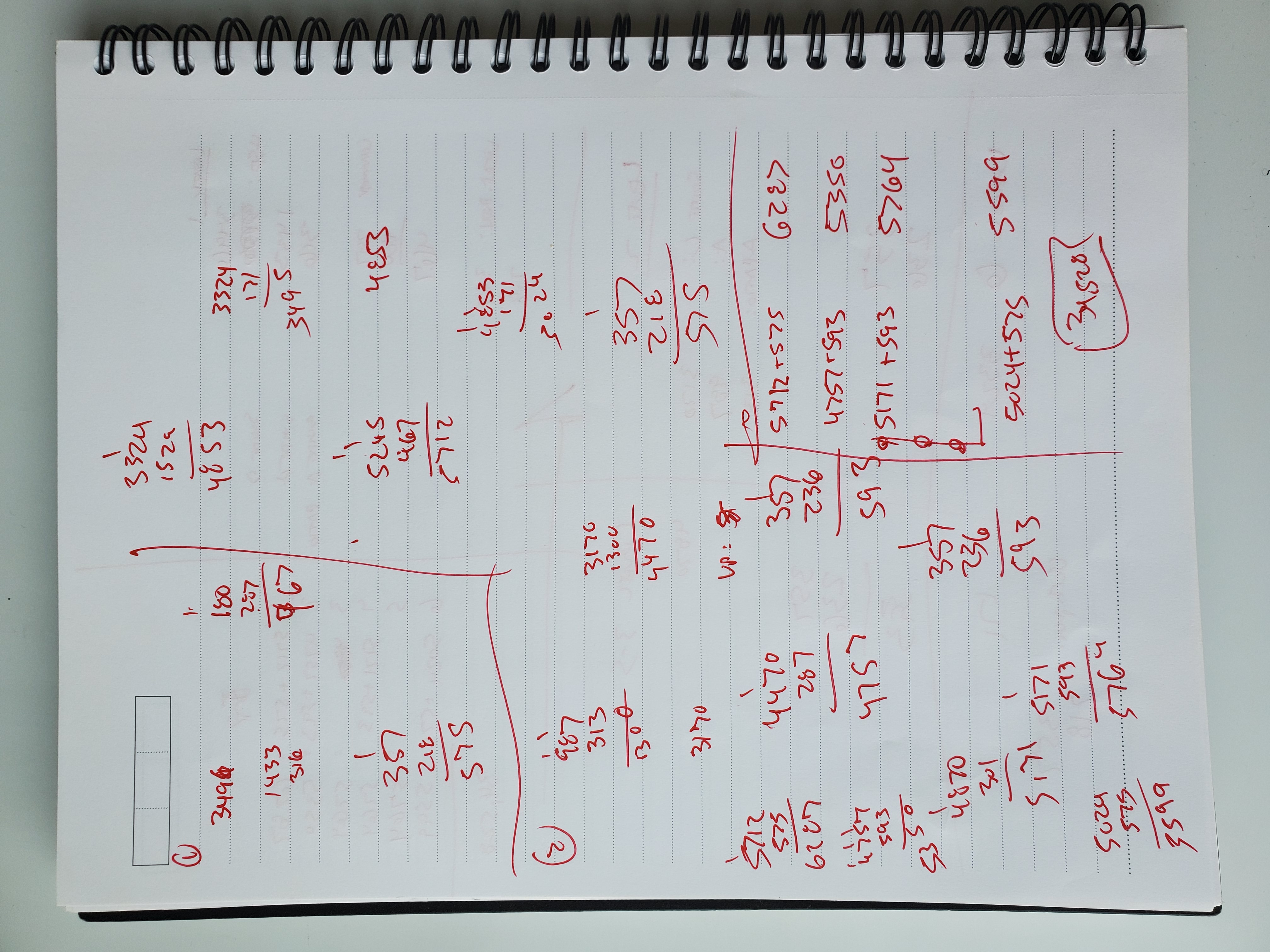
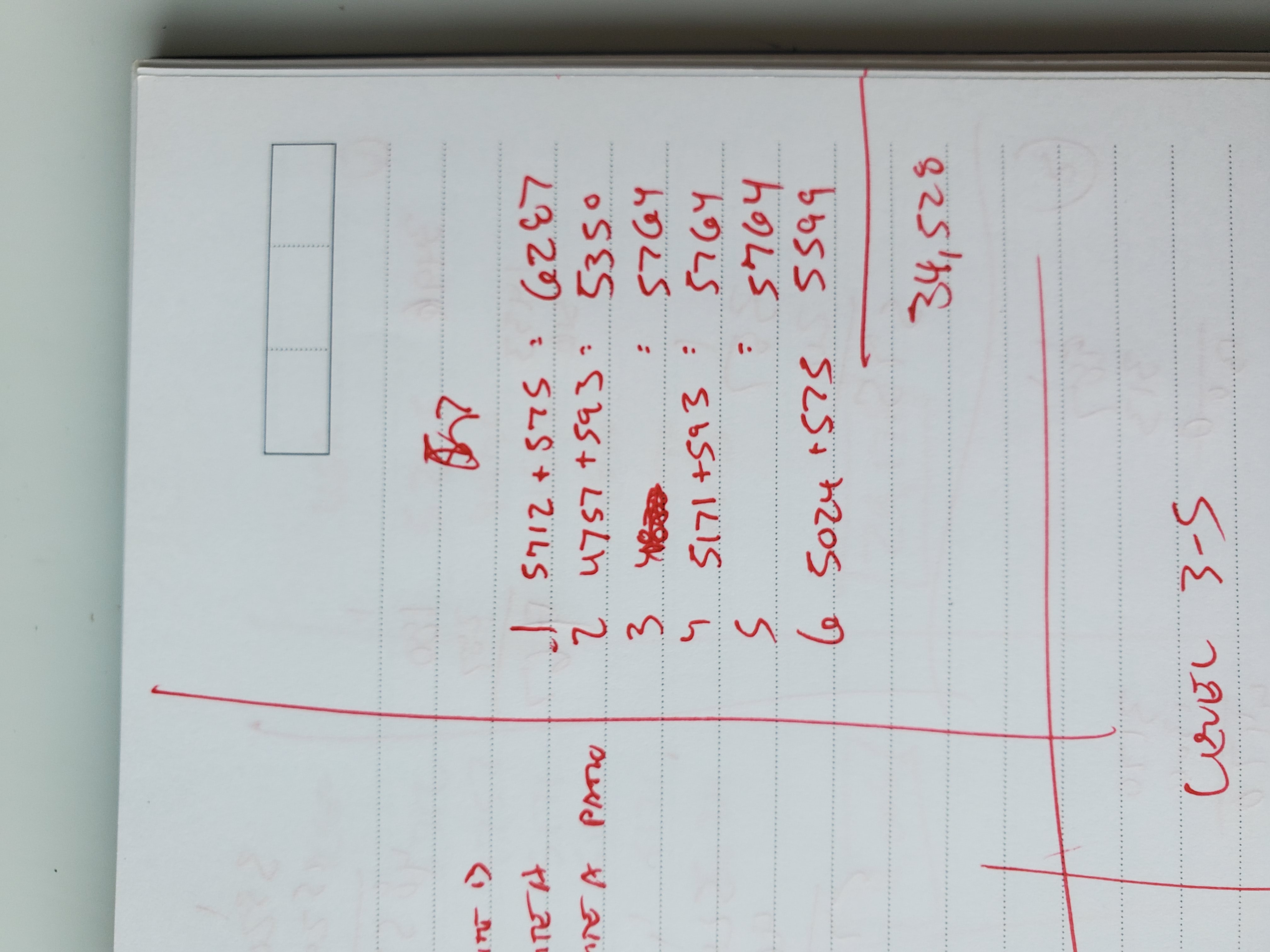
All this is to say if you want to be an architect, but you’re concerned about your mathematical ability – don’t be! Plow full steam ahead.
Caveat
I’d be remiss if I didn’t mention that there’s at least one caveat to the rule of mathematical simplicity in architecture. Parametric design (aka parametricism) can be fancy-math intensive. I’m not sure I fully understand exactly what parametric design is; but if pressed to attempt a definition, I’d say it’s a method of design in which a formal outcome and/or performance is determined or measured by defined parameters. In other words, a building becomes a function of the parameters defined for its generation.
Okay, Jesus – my brain is getting numb. If you pressure me to say more, I might go into fight or flight mode and slap you in the face. Just know there are some branches of architecture that are math intensive, but they are certainly the exception, not the rule.
The Takeaway
What I want you to take away from this post is that, outside of super-niche branches of architecture, you do not need to be a mathematical wizard to become an architect. To the contrary, you just need to know how to add, subtract, multiply, and divide. Go forth, my grasshoppers & add the shit out of those parking spaces.